History of Bamboo Tattoos in Thailand

History of Bamboo Tattoo: Myth, Marketing, and Modern Origins

Introduction

The history of bamboo tattoo is often misunderstood. Many tattoo shops and travel blogs describe bamboo tattooing as an ancient Thai tradition connected to sacred practices. However, historical evidence tells a very different story.

While Thailand has a rich and well-documented tattoo culture, particularly through Sak Yant, the idea that tattoos were traditionally done with bamboo is largely a modern invention. To understand the real history of bamboo tattoos, it’s important to separate fact from fiction.

These Tattoo Shop Bamboo Tattoos Are NOT respected or appreciated by Thai people or Thai society (1) for proving counterfeit copies of a sacred part of Thailand’s Culture on unsuspecting Tourists.  You can find out “Why you don’t get a Tattoo Shop Sak Yant

The True Origins of Tattooing in Thailand

old metal khem stick
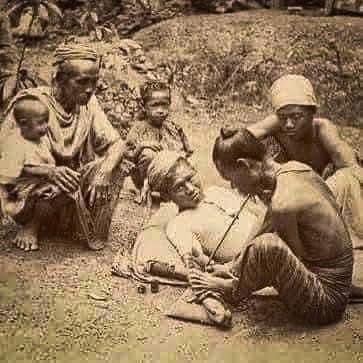
Ancient metal Tattoo Khems used for the traditional Thai Hand Poked Tattoos are sold at auctions on a regular basis in Thailand. There was never any such thing as Bamboo Needle Tattoo's in Thailand's history

Tattooing in Thailand dates back hundreds, even thousands, of years. These tattoos were not decorative, they were spiritual.

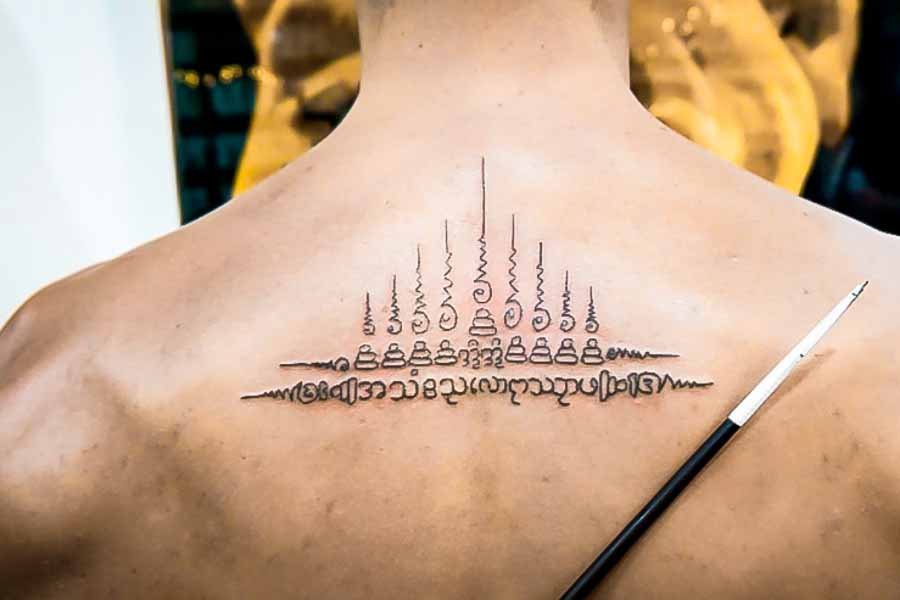
Known as Sak Yant, traditional Thai tattoos were applied by monks or Ajarns (spiritual masters) and were believed to offer protection, strength, and good fortune.


These sacred tattoos were created using a hand-poked method, but crucially, the tools used were metal rods with needle tips, not bamboo.

This distinction is key:

Traditional Thai tattooing = spiritual practice + metal tools
“Bamboo tattoo” = modern interpretation with no historical basis


Copies of these sacred Sak Yant designs created by bamboo tattoo artists who

1) Have no training in reading and changing the magical text (Khata), and just copy incorrect gobble gook onto their customers
2) Do not require the person getting the Tattoo to make an offering on Honor of the Tattooist skill and Sak Yant Tradition
3) Who do not live a spiritually pure life, or perform the ancient rituals involved (including the Blessing)

When Did Bamboo Tattoos Actually Begin?

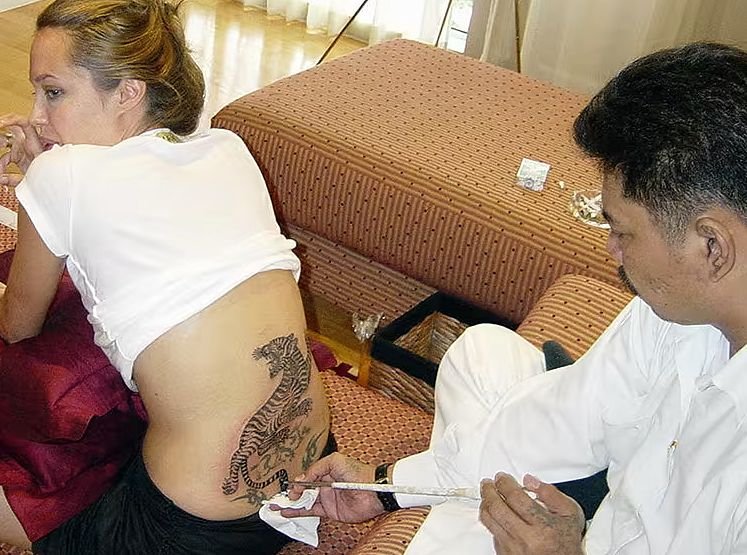
The modern history of bamboo tattoo begins surprisingly recently, around the early 2000s.  According to available sources, the term “bamboo tattoo” started gaining attention around 2003, when Western media and tourism began popularizing Thai tattoos.

A major influence often cited is the global attention surrounding celebrity tattoos in Thailand, which led to widespread curiosity among travelers. This sparked demand for a more “exotic” and “authentic-sounding” tattoo experience.

Tattoo shops responded quickly.

History of Bamboo Tattoo - Timeline

Bamboo Tattoo History
2003
2003+

Why the Misconception Continues

The popularity of bamboo tattoos is driven by a mix of tourism, storytelling, and marketing.

Key reasons include:

Tourist appeal: “Bamboo” sounds natural and ancient
Media influence: Early misreporting spread globally
Commercial incentives: Shops benefit from the narrative
Terminology confusion: “Hand-poked” became synonymous with “bamboo”

Once established, the idea became self-reinforcing through blogs, YouTube videos, and word of mouth.

Why the History of Bamboo Tattoo Matters

Understanding the real history of bamboo tattoo is important for cultural awareness.

Mislabeling modern tattoo practices as ancient traditions can:

  • Misrepresent Thai cultural heritage
  • Confuse travelers seeking authentic experiences
  • Blur the line between spiritual practices and commercial services

For those interested in Thai tattooing, knowing the difference ensures a more informed and respectful experience.

Conclusion

The history of bamboo tattoo is not an ancient story, it’s a modern one.  While Thailand’s tattoo traditions are deeply rooted in spirituality and history, bamboo tattooing as it’s marketed today emerged from tourism and media influence in the early 2000s.

In short:

  • Traditional Thai tattoos are real and centuries old
  • Bamboo tattoos, as commonly described, are a modern reinterpretation

Understanding this distinction allows you to appreciate the true depth of Thailand’s tattoo culture while recognizing how modern trends have reshaped its global image.

You can read further to learn the tricks they use and how to Avoid getting Fakes Sak Yants

CategoryTraditional Thai Tattoo (Sak Yant)Bamboo Tattoo (Modern Practice)
OriginAncient Thai spiritual tradition (hundreds to thousands of years old)Modern trend (early 2000s, tourism-driven)
PurposeSpiritual protection, blessings, sacred meaningDecorative, aesthetic, tourist experience
Who Performs ItMonks or Ajarns (spiritual masters)Tattoo artists in commercial shops
Tools UsedMetal rod with needle tipHand-poked tool, often marketed as “bamboo” but uses steel needles
TechniqueTraditional hand-poked method with ritual processHand-poked or machine-assisted, no ritual required
Spiritual ElementYes – includes chanting, blessings, sacred inscriptionsNo – typically not part of the process
Historical EvidenceWell-documented in Thai history and cultureNo evidence of ancient bamboo needle use
Marketing NarrativeAuthentic cultural and religious practiceOften promoted as “ancient” or “traditional” (misleading)
Primary AudienceLocals and those seeking spiritual tattoosTourists seeking a unique experience

Bamboo Tattoo Articles

  • All
  • Bamboo Tattoo
  • Sak Yant Tattoo
  • Tattoo Shop

Academic and Historical References

(1). Thai Tattoos, the symbolic lines of faith  National Geographic. Nov 4 2020. https://ngthai.com/cultures/31619/thai-traditional-tattoos

(2) Why you don’t Get a Bamboo Tattoo at a Tattoo Shop sakyantchiangmai.com Oct 2022 https://sakyantchiangmai.com/sak-yant-bamboo-tattoo/

(3) Study of Thai and Japanese Tattoo. 1996 Nantchaya Mahakhan Burapha University, Faculty of Humanities and Social Sciences   https://buuir.buu.ac.th/xmlui/handle/1234567890/549

(4) Communication and Perception of the Meaning of ‘Tattoos’ in Contemporary Thai Society’,   Faculty of Communication Arts, Chulalongkorn University, by Suksan Kamolsantiroj,   2005     https://cuir.car.chula.ac.th/handle/123456789/8025

(5) What is a Bamboo Tattoo. Sak Yant Chiang Mai  2023   https://sakyantchiangmai.com/bamboo-tattoo-thailand/

(6) Tattoo Culture in Lana  Sept 6 2022. Princess Maha Chakri Sirindhorn Anthropology Centre. Phudech Saensa  https://www.sac.or.th/portal/th/article/detail/371

(7). Sak Yant tattooing as Thai soft power. Department of Public Administration Faculty of Political Science Ramkhamhaeng University.  Krissada Promvek. And Prachaya Chumnaseaw 2024.  http://www.hurujournal.ru.ac.th/journals/35_1719810573.pdf

(8) Bamboo Tattoo Bangkok. Sak Yant Bangkok 2024. https://sakyant-bangkok.com/bamboo-tattoo-bangkok/

(9) What is a Sak Yant Tattoo. 2022 Sak Yant Chiang Mai https://sakyantchiangmai.com/what-is-a-sak-yant-tattoo/

(10) Pansa Khrueaklai and Noppadol Inchan, 2002, p. 73)

(11) Chuanphit Naphatasaai (editor), Dhammatharo Achariyanuson, (cited), page 49.

(12) Book The Brave One. (Phra Athit Attharo and Phra Maha Wirot , 2566)

(13) Tourist Bamboo Tattoo vs Real Sak Yant. Youtube Video  https://www.youtube.com/watch?v=-HogMIhYYz8

(14) The Story of the Bamboo Tattoo Needle. Thai Tattoo Chiang Mai.  https://thaitattoochiangmai.com/2016/08/28/bamboo-sak-yant-needles/

(15) Thailand To Tattoo Tourists: Think Before You Ink NPR Radio June 20, 2011

Sak Yant Foundation USA
Author www.bambootattoos.com. No Copyright - feel free to use any text or images
Next Post

All materials in this website are not copyrighted!  This information is freely available for sharing and distribution